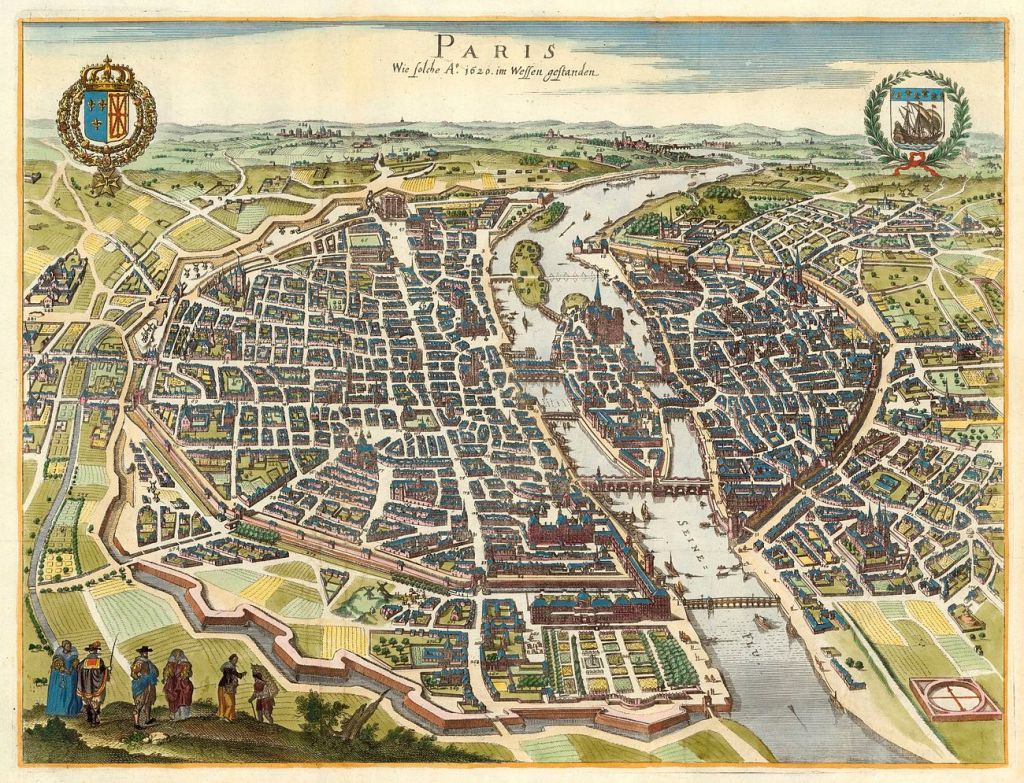
One of the key design principles in Dungeon World, and it finds some expression across all fiction-first tabletop RPGs, is the deceptively simple directive: “Draw maps, leave gaps.” This simple phrase encapsulates a paradigm shift in the GM’s role, moving from the idea of a world-builder as solitary architect to instead a collaborative facilitator of shared discovery. At its core, this principle enables a dynamic and responsive play environment where narrative depth arises not from exhaustive prep, but from purposeful incompleteness.
Traditional RPG prep often encourages GMs to flesh out every detail in advance (maps, NPCs, lore, and timelines) under the assumption that control equals coherence. “Draw maps, leave gaps” turns this logic on its head. It invites the GM to sketch a suggestive, but incomplete, cartography of the world: enough to inspire direction, not dictate outcomes.
This partial framework typically includes a few key locations, environmental features, or narrative touchstones. The literal or conceptual map functions as a scaffold for improvisation. Gaps in geography, culture, history, or motive are intentional design space, left open for play to fill.
Designing for Emergence
What makes this principle so powerful is how it leverages the emergent narrative potential of TTRPGs. Every unexplored region or unanswered question is a latent storytelling opportunity. As players interrogate the world, the GM can respond with content that reflects their interests, choices, and character arcs. Rather than designing a world to be discovered, the GM designs a world to be created through play. Improvised answers feel more relevant because they are contextually grounded in what has unfolded at the table. Players are not merely uncovering a world—they are co-authoring it.
Implementing “Draw maps, leave gaps” is as much a mindset shift as a mechanical process. It demands a certain tolerance for ambiguity, and a willingness to trust players as creative contributors. In concrete terms:
- Start sparse: Sketch only the essentials—locations, threats, factions—but resist the urge to define everything. It’s great to imagine the details that you might like to see emerge, as long as you hold lightly onto these.
- Seed curiosity: Name a mountain range, but don’t explain who built the ruins within. Let the discovery of the details happen at the table, for GM and player alike. Create a mystery that the players want to solve and that you as GM want to know the answer to.
- Consistently solicit player input: Ask leading questions that imply or suggest a direction or theme, without dictating a specific answer. Don’t put your players on the spot; strike a balance between open-ended prompts and directed storytelling, nudging players toward meaningful contributions without expecting them to begin from scratch.
- Reframe Prep as Provocation: Design elements that provoke questions or decisions, not static lore dumps. Go back after the session and fill in the gaps to create continuity, or better yet write down a new set of questions that the information you discovered together provokes. These might just be the basis of the next session..
As play unfolds, these gaps become pressure points where new content emerges. A player’s backstory suggests the location of a lost temple; a failed roll introduces a strange new creature native to the swamps; a spontaneous question like ““Why does this ancient ruin carry your family crest, and why did they want it forgotten?” becomes canon in real time. The map grows richer, stranger, and more personal, session by session.
The Principle Beyond Dungeon World
Though born from Dungeon World, this philosophy resonates across modern narrative RPG design, from Ironsworn and Trophy to Blades in the Dark and Beyond the Wall. It aligns with a broader movement toward procedural worldbuilding, where setting details are constructed collaboratively and iteratively, often through playbooks, tables, or guided prompts.
Crucially, it doesn’t require abandoning structure. It means recognising structure as interactive, not fixed, and preparation as creating apertures for story emergence, not endpoints.
“Draw maps, leave gaps” is a design ethos. It reminds us that what makes a TTRPG compelling isn’t the completeness of its world, but its plasticity—its capacity to respond, transform, and surprise. A well-designed gap isn’t a failure of prep; it’s a narrative seed, waiting for the alchemy of play. If we want comprehensive world-building, can read Tolkien anytime. But TTRPGs are the only medium where we get to create the world in real time.
By embracing incompleteness, GMs invite collaboration. And in doing so, they create a world that feels alive because it has been given the space to live.

